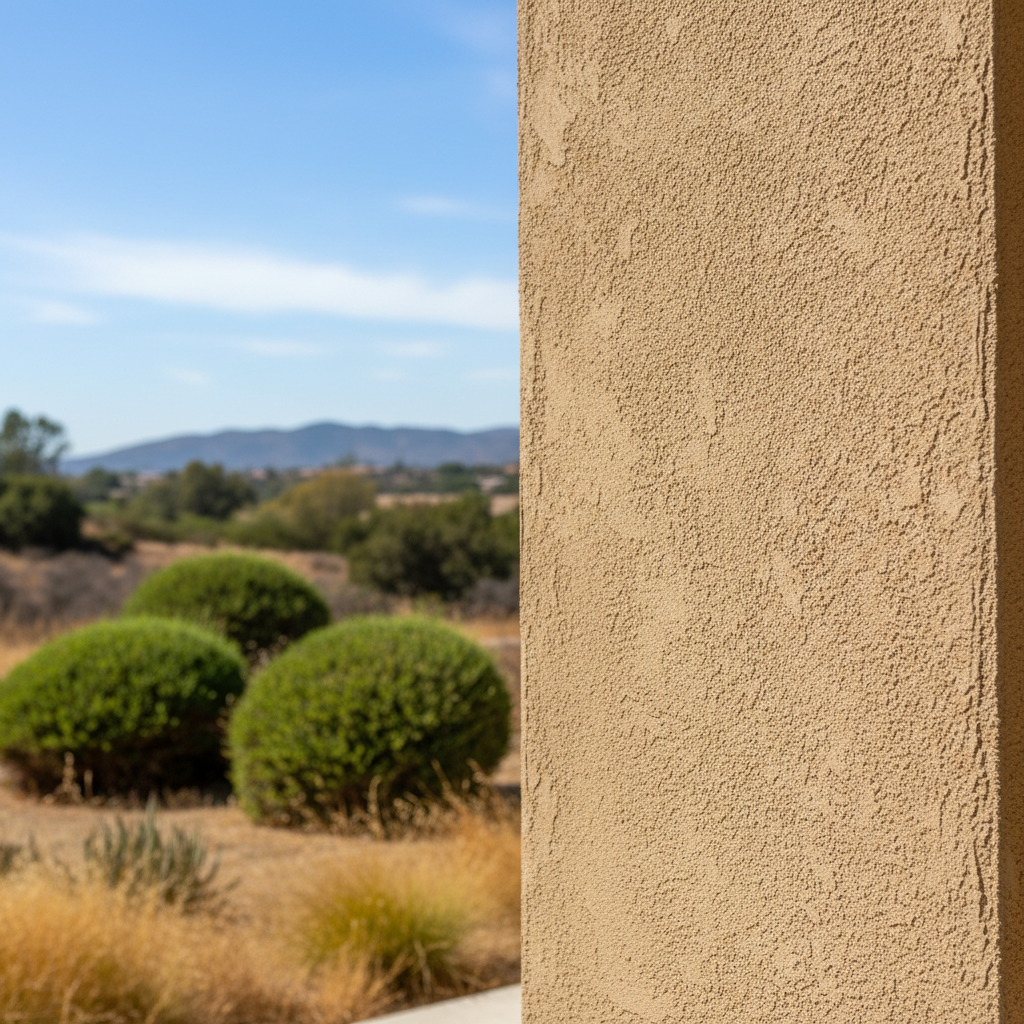
Thinking Stucco? What You Need to Know Before You Start
So, you're looking at your home's exterior and thinking about stucco. Maybe it's a repair, a new addition, or even a full re-stucco job. Good call. Stucco's a fantastic, durable finish, especially here in Murrieta where it handles our hot, dry summers and occasional heavy rains pretty well. But before you even think about mixing a bag of cement, you need a plan.
First off, what's the scope? Are we talking about a small crack repair, or a whole new wall? This is the biggest factor in deciding if it's a DIY job or if you absolutely need to call a professional. For anything beyond a small patch – say, bigger than your hand – you're probably getting into pro territory. Stucco isn't like painting; there's a real art and science to getting it right, especially with the multiple layers involved.
You also need to think about permits. For significant exterior work, especially if you're changing the footprint or adding new structures, Murrieta's building department will likely require a permit. Don't skip this. It's not just about avoiding fines; it's about making sure the work is up to code and safe. A good contractor will handle all the permit paperwork for you, which is a huge load off your mind.
During the Project: What's Happening and Why
Whether you're doing a small repair yourself or watching the pros from Murrieta Stucco & Plastering work on a bigger job, understanding the process helps. For a repair, you'll need to clean the area thoroughly, remove any loose material, and then apply a bonding agent. Then it's about carefully applying the new stucco in layers, matching the existing texture and color as best you can. This is where most DIYers run into trouble – getting that seamless blend is tough.
For a full re-stucco or new installation, it's a much more involved process. You're looking at:
- Surface prep: This might mean removing old stucco, cleaning the substrate, or ensuring a solid surface for the new material.
- Waterproofing: Critical, especially around windows and doors. We're talking about a weather-resistant barrier, flashing, and weep screeds at the bottom to manage moisture. This isn't optional; it's what protects your home from water intrusion, which can be a real problem if not done right, especially when our clay soils expand and contract.
- Lath installation: Metal lath (chicken wire looking stuff, but stronger) gets attached to the wall. This is what the stucco grabs onto.
- Scratch coat: The first layer of stucco, applied directly to the lath. It's scratched horizontally to give the next layer something to bond to.
- Brown coat: The second layer, which evens out the surface and gets it ready for the finish coat. This is where the wall really starts to take shape.
- Finish coat: This is what you see. It's the color and texture. This is where skill really shines, making sure it's even, consistent, and looks great.
Each of these layers needs proper drying time. Rushing it is a recipe for cracks and failure down the road. Patience is key in stucco work.
After the Stucco is Done: Maintenance and What to Watch For
Once your stucco project is complete, you're not entirely off the hook. Stucco is low maintenance, but not no maintenance. Here's what you should keep an eye on:
- Cracks: Small hairline cracks are pretty normal over time as a house settles or due to temperature fluctuations. These are usually just cosmetic. Larger cracks, especially those that are wider than a credit card or run in a pattern (like a stair-step crack), can indicate a bigger structural issue or water intrusion. Don't ignore those.
- Discoloration or Stains: Algae or mildew can grow in shaded, damp areas. A good cleaning with a mild detergent and a soft brush or low-pressure washer usually takes care of it. If you see dark streaks coming from windows or trim, that's a red flag for water getting behind the stucco.
- Weep Screed: That metal strip at the bottom of your stucco wall? It's called a weep screed, and it's designed to let any moisture that gets behind the stucco drain out. Make sure it's not covered by landscaping, dirt, or paint. Keep it clear.
- Sealants: Check the caulking around windows, doors, and any penetrations (like pipes or electrical conduits). These sealants degrade over time and need to be re-applied to keep water out.
For small, cosmetic cracks, you can find stucco patch kits at most hardware stores. Follow the directions carefully. But again, for anything significant, or if you're unsure, it's always best to get a professional opinion. We've seen too many DIY repairs that end up costing more to fix properly than if the homeowner had just called us in the first place.
Taking care of your stucco means your home will look great and stay protected for decades. It's a solid investment, and with a little knowledge, you can make sure it lasts.