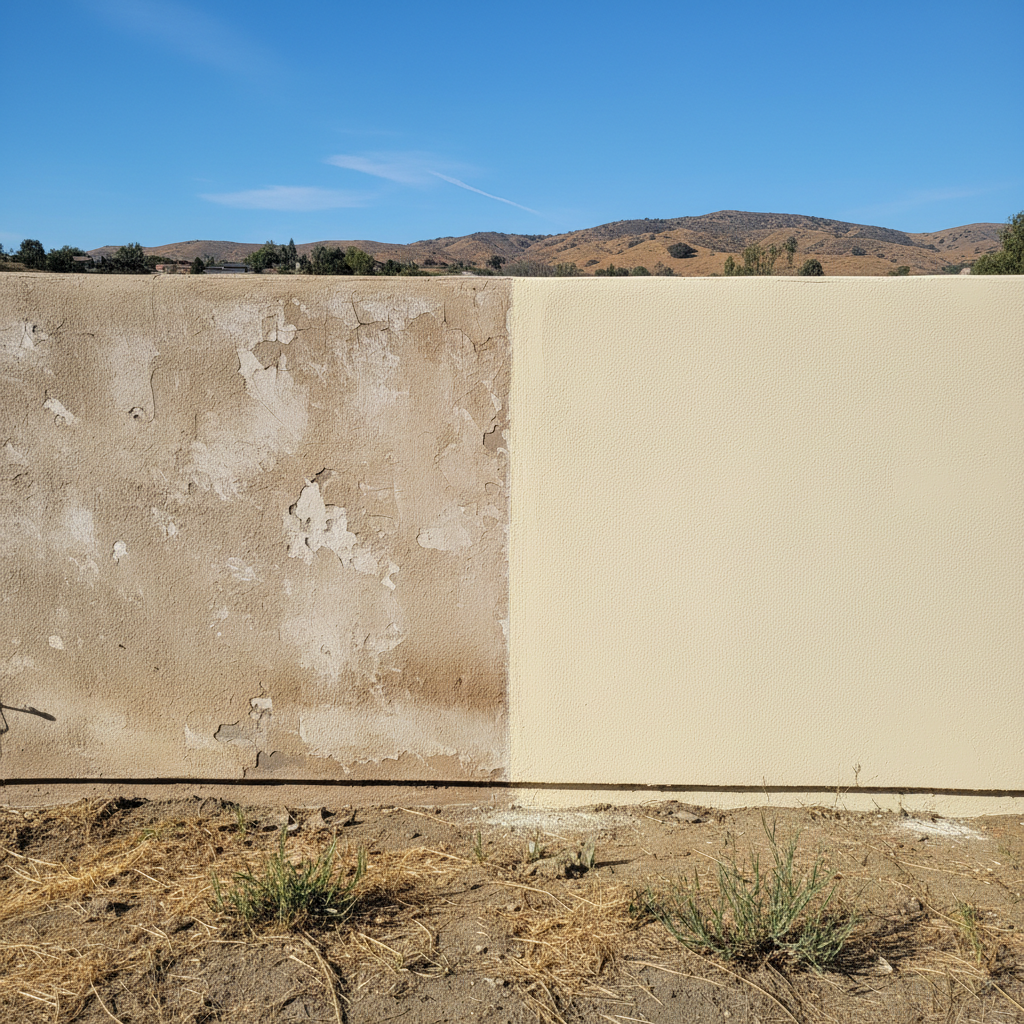
Alright, so you're thinking about stucco for your house here in Murrieta. Good choice, it's a classic for a reason around here. But when you start looking into it, you'll quickly realize there are two main ways to go: traditional (often called hard coat or cement stucco) and synthetic (EIFS, or Exterior Insulation and Finish Systems). People ask me all the time which one's better. The truth is, it's not a simple 'this one's always best' answer. It depends on what you're looking for, your budget, and what your home needs.
Traditional Stucco: The Old Reliable
Let's start with traditional stucco. This is what you see on a lot of the older homes in Murrieta, especially those built before the 90s, and it's still super popular for new builds too. It's basically a mix of cement, sand, lime, and water, applied in layers over a wire lath. We usually put on a scratch coat, then a brown coat, and finally a finish coat. Each layer cures, making it incredibly hard and durable.
Durability & Maintenance: This stuff is tough. It's impact-resistant and can really take a beating from our hot Murrieta sun and occasional strong winds. It's also pretty breathable, which helps manage moisture. Maintenance is usually just keeping it clean and patching up any cracks that might form over time. Minor cracks are normal with temperature shifts, especially with our big swings from hot days to cooler nights. You'll want to get those fixed before they become bigger issues, but it's generally not high-maintenance.
Cost: Generally, traditional stucco is less expensive to install upfront than synthetic. The materials are cheaper, and while it's labor-intensive, the overall cost usually comes in lower.
Appearance: It gives you that classic, solid, masonry look. You can get different textures, from smooth to rough, and it can be painted any color you want. It's got a timeless feel that a lot of homeowners love.
Synthetic Stucco (EIFS): The Modern Approach
Now, synthetic stucco, or EIFS, is a different animal. It's a multi-layered system that starts with a foam insulation board (usually expanded polystyrene, EPS) attached to the wall. Then, a base coat with a reinforcing mesh is applied over the foam, followed by a finish coat that looks like traditional stucco. It's a bit more complex in its construction.
Durability & Maintenance: EIFS is incredibly flexible, which means it's much more crack-resistant than traditional stucco. That's a big plus. It's also fantastic for insulation; that foam board really helps with energy efficiency, keeping your home cooler in the summer and warmer in the winter. This can translate to lower utility bills, which is always nice. However, its biggest potential downside is moisture. If water gets behind the system due to improper installation or damage, and can't get out, it can cause problems like rot and mold. That's why proper flashing and detailing are absolutely critical with EIFS. You've got to be diligent about inspecting for any damage and getting it repaired quickly.
Cost: Upfront, EIFS is typically more expensive to install. The materials are pricier, and it requires a very specific, careful installation process to ensure proper drainage and sealing.
Appearance: EIFS can mimic the look of traditional stucco very well, offering a wide range of colors and textures. Because of its flexibility, you can also achieve more intricate architectural details and shapes that might be harder or more expensive with traditional stucco.
So, Which One Should You Choose for Your Murrieta Home?
Honestly, for most homes in Murrieta, I lean towards traditional stucco. Here's why:
- Our Climate: We get hot. Really hot. Traditional stucco handles those temperature fluctuations well without stressing about hidden moisture issues.
- Moisture Management: While both need to be installed right, traditional stucco is more forgiving if a little water gets in. It breathes better, allowing moisture to evaporate. With EIFS, if there's a breach and no proper drainage, you're asking for trouble.
- Cost-Effectiveness: For a solid, durable exterior that looks great and lasts for decades, traditional stucco usually gives you the best bang for your buck upfront.
- Tried and True: It's been proven for generations. You know what you're getting.
That's not to say EIFS is bad. Not at all. If you're building a highly energy-efficient home and you're working with a contractor who is an absolute expert in EIFS installation and understands all the drainage planes and flashing details, it can be a fantastic system. But the margin for error is smaller. For example, if you're building a custom home up in the hills near La Cresta where you're really pushing for maximum thermal performance and have a top-tier architect and builder, EIFS might be a consideration. But for most of us, the simplicity and robustness of traditional stucco just make more sense.
Ultimately, no matter which you choose, the quality of the installation is paramount. A poorly installed traditional stucco job will give you headaches, and a poorly installed EIFS job can be a disaster. Make sure you're working with experienced professionals who know what they're doing. Here at Murrieta Stucco & Plastering, we've been working with both systems for years, and we can walk you through the specifics for your particular project. Don't hesitate to ask questions; it's your home, and you want it done right.