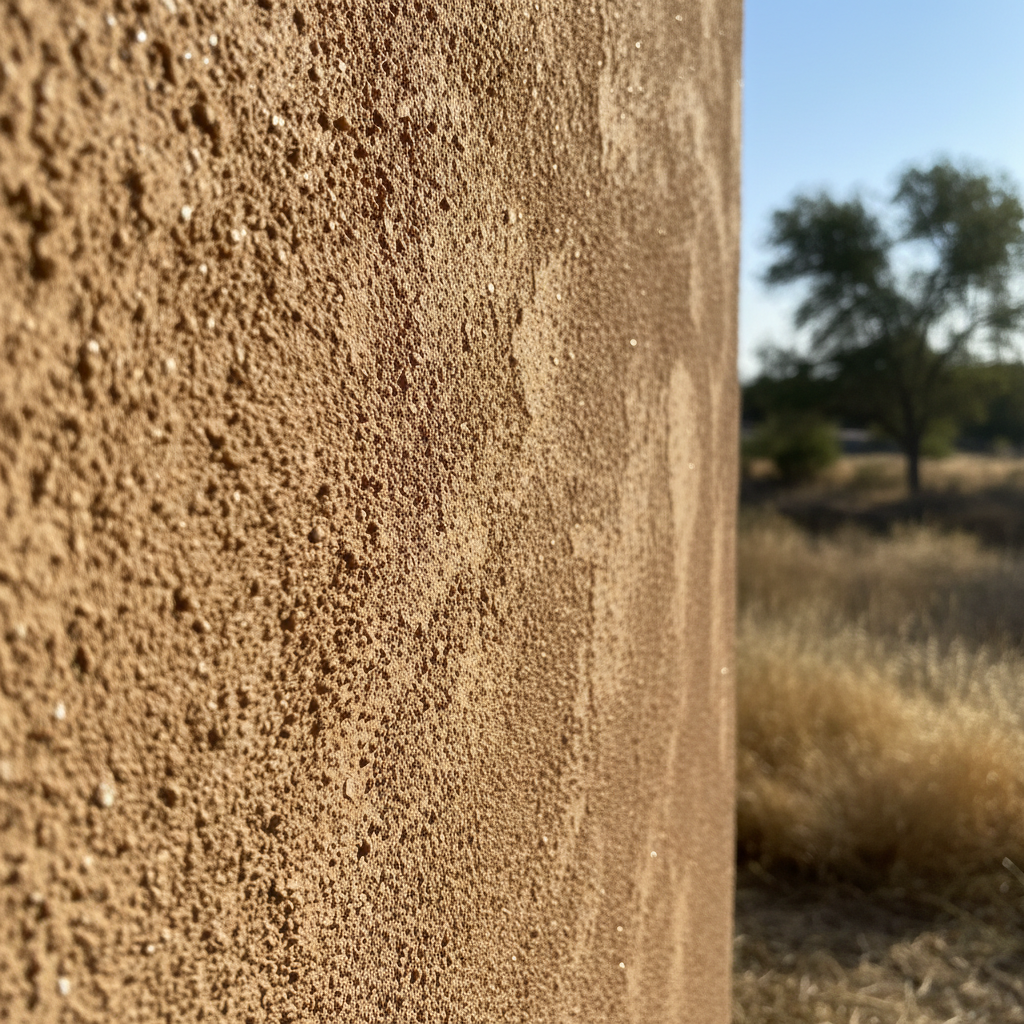
So, you're looking at your stucco and thinking it needs a refresh, maybe even a full redash. Good for you for being proactive! Redashing can really transform your home's look, and it's a smart way to protect your investment here in Murrieta. But here's the thing: it's not always a simple weekend warrior job. Let's break down what you need to know before you even think about mixing that first batch of stucco.
What Exactly Is Stucco Redashing?
Okay, first off, let's get this straight. When folks say 'redashing,' they usually mean putting a new finish coat of stucco right over an existing one. It's not about tearing everything off down to the lath, not at all. Think of it more like giving your house a fresh, durable skin. People usually do this when the old stucco looks tired, faded, or has a bunch of minor surface cracks they want to cover up and keep from getting worse. It's a fantastic way to change your home's color or texture without the full expense of a complete re-stucco.
Before You Even Think About Starting
Before you buy a single bag of cement, you've got to do some homework. The biggest question is: what kind of shape is your existing stucco in? You need to walk around your house and really inspect it. Are there big cracks? Is it crumbling anywhere? Does it sound hollow when you tap it? If you find significant structural damage, water intrusion issues, or large sections that are peeling off, redashing isn't going to fix it. You're looking at a bigger repair job, possibly even a full tear-off and re-stucco, and that's definitely not a DIY project. What you're hoping to find are mostly cosmetic issues – faded color, minor hairline cracks, or just a dated texture you want to update.
Another really important step is cleaning. Your existing stucco needs to be spotless. I'm talking power washing to blast away all the dirt, grime, mildew, and loose paint. If you skip this, your new finish coat won't bond right, and you'll have problems down the road. Make absolutely sure it's completely dry before you do anything else.
DIY vs. Professional: Where Do You Draw the Line?
Alright, this is where the rubber meets the road, as they say. Can you DIY a stucco redash? Maybe, for a very small, out-of-the-way area. For a whole house, especially a two-story or anything with complex architectural details, my honest advice is to call a pro. Here's why:
- Surface Prep is Crucial: I mentioned cleaning, but there's more to it. You might need to put on a bonding agent, especially if your existing stucco is painted or super smooth. Mess this up, and your new finish will peel.
- Mixing Ratios Really Matter: Stucco isn't just cement and sand, you know. There are specific ratios for water, cement, lime, and sand, plus any additives for color or how easy it is to work with. Get it wrong, and you'll end up with weak, cracking stucco or something that's just impossible to apply smoothly.
- Application Technique: This is the big one. Applying stucco evenly, getting the right thickness, and achieving a consistent texture across a large surface? That's an art form. It takes practice, the right tools (hawk, trowel, darby, floats), and a good feel for the material. You'll see streaks, uneven patches, and inconsistent textures if you're not experienced. Trust me, I've seen plenty of DIY attempts that ended up looking worse than they started.
- Scaffolding and Safety: Most homes in Murrieta, especially in neighborhoods like Bear Creek or The Colony, have some two-story sections. Working at height with heavy materials is dangerous. Pros have the right scaffolding and safety gear.
- Time and Effort: This isn't a quick job. It's physically demanding, and it takes time. Do you really want to spend weeks of your evenings and weekends struggling with this?
If you're just patching a small, inconspicuous area, like a spot behind a bush that got dinged, then sure, grab a small bag of pre-mixed stucco and give it a shot. But for anything larger than a few square feet or anything visible from the street, you're better off getting quotes from experienced stucco contractors like us at Murrieta Stucco & Plastering.
During the Project (If You Hire a Pro)
If you decide to go with a professional, which I highly recommend for a full redash, here's what you should expect. They'll start with thorough prep work – cleaning, masking off windows and doors, protecting your landscaping. Then they'll put on the new finish coat. Depending on the texture you choose (smooth, sand, dash, lace, etc.), the application method will vary. They'll work systematically, often in sections, to make sure everything looks consistent. Good contractors will also pay close attention to details like expansion joints and corners.
After the Redash: Curing and Care
Once the new finish is on, the job isn't quite done. Stucco needs to cure properly. This usually means keeping it damp for a few days, especially during our hot Murrieta summers. Your contractor will tell you exactly how long and how often to mist it. Don't skip this step! Proper curing prevents shrinkage cracks and ensures the stucco gets to its full strength. After it's fully cured, you'll have a beautiful, fresh exterior that will last for years with minimal maintenance. Just keep it clean, and address any minor issues promptly.
Redashing can really breathe new life into your home. Just make sure you understand the scope of the work and know when to roll up your sleeves and when to pick up the phone.