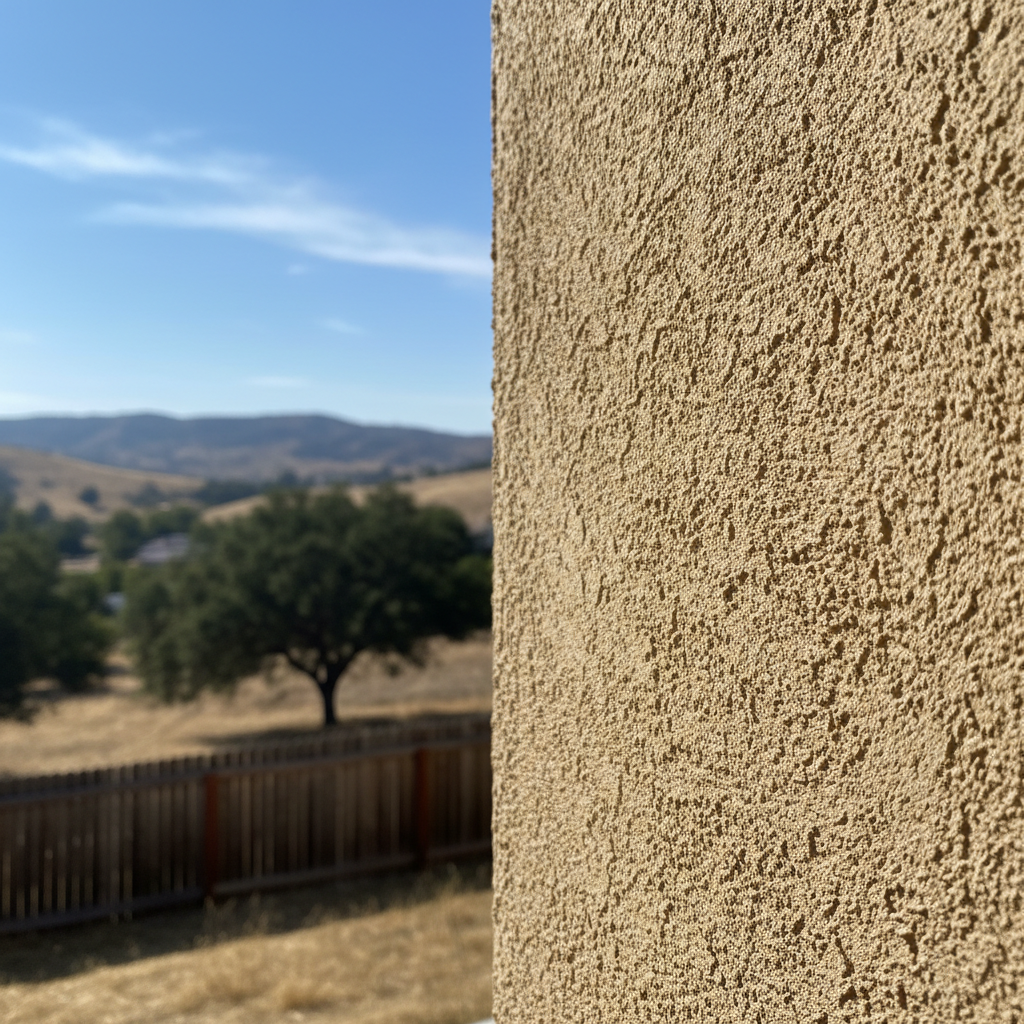
You've got stucco on your home, and you want to make sure it's doing its job. Good for you! It's one of the best siding materials out there, especially for our Murrieta weather, but like anything else, it needs a little attention. I get a lot of calls from folks who are worried about a crack or a stain, and sometimes it's something they could've spotted earlier. So, let's talk about what you can do yourself before you even think about picking up the phone.
Before You Start Looking: What to Know
First off, don't panic about every little hairline crack. Stucco is a rigid material, and some minor cracking is just part of its nature. It expands and contracts with temperature changes, especially with our hot Murrieta summers and cooler nights. What you're really looking for are signs of bigger issues – things that compromise the integrity of the system and could let water in.
You'll want to do this inspection at least once a year. Spring or fall are usually good times, when the weather's mild. Grab a notepad, a pen, a flashlight, and maybe a pair of binoculars if you've got them. A camera on your phone is also super handy for documenting anything you find.
Your DIY Stucco Inspection Checklist
Here's what I tell my neighbors to look for:
- Cracks: Not all cracks are created equal. Hairline cracks that just run on the surface? Usually not a huge deal. What you need to worry about are cracks that are wider than a credit card, especially if they're horizontal, stair-stepping (following mortar lines in the block underneath), or radiating from an opening like a window or door. These can indicate structural movement or issues with the lath behind the stucco.
- Stains and Discoloration: Dark streaks, especially under windows, eaves, or near the ground? That's a red flag. It often means water is getting in somewhere and running down the wall. Green or black spots could be mold or mildew, which also points to moisture. Sometimes you'll see rust stains, usually from metal components like flashing or fasteners that weren't properly protected.
- Bulges or Soft Spots: Gently press on the stucco in different areas. Does it feel soft or spongy? Does it bulge out? This is a serious sign of delamination – the stucco separating from the wall, often due to water damage or improper application. You might even hear a hollow sound if you tap it lightly with your knuckles.
- Flashing and Sealants: This is huge. Flashing is that thin material (usually metal) that directs water away from vulnerable areas, like around windows, doors, and rooflines. Make sure it's intact and properly installed. Check the caulking or sealants around all penetrations – windows, doors, vents, pipes. Are they cracked, missing, or pulling away from the stucco? If so, that's an open invitation for water.
- Weep Screeds and Kick-out Flashing: Down at the bottom of your wall, where the stucco meets the foundation, you should see a gap and a metal strip called a weep screed. This allows any moisture that gets behind the stucco to drain out. Make sure it's clear of dirt, landscaping, or paint. If your roofline ends at a wall, you should also have kick-out flashing to direct water away from the wall. These are often overlooked, but critical.
- Stucco Near the Ground: Your stucco shouldn't go all the way to the dirt. There should be a minimum of 4-6 inches of clearance between the bottom of the stucco and the soil. If it's buried or too close, moisture from the ground can wick up into the stucco and cause all sorts of problems. This is a common issue I see around Murrieta homes, especially with landscaping changes over the years.
When to Call a Pro (That's Us!)
You've done your walk-around, and you've found some things. Now what? Here's when it's definitely time to bring in someone like Murrieta Stucco & Plastering:
- Any widespread or serious cracking: If you've got cracks wider than a credit card, or a whole network of them, especially around openings, don't mess around. We need to figure out the cause.
- Soft spots or bulges: This almost always means water is getting in and damaging the substrate. It's not going to fix itself.
- Persistent staining: If you've cleaned off mold or mildew and it keeps coming back, or you have dark streaks that don't go away, there's an ongoing moisture problem.
- Damaged or missing flashing/sealants: While you can sometimes re-caulk small areas yourself, if flashing is bent, rusted through, or completely missing, you need a professional repair to ensure proper water management.
- If you're just unsure: Honestly, if you're looking at something and you're just not sure if it's a big deal or not, it's always better to get a professional opinion. A small problem caught early is a lot cheaper to fix than a big one that's been festering for years.
Remember, your home's stucco is its first line of defense against the elements. A little proactive inspection on your part can save you a lot of headaches and money down the road. Keep an eye on it, and if you spot anything concerning, give us a call. We're here to help keep your Murrieta home looking good and staying dry.