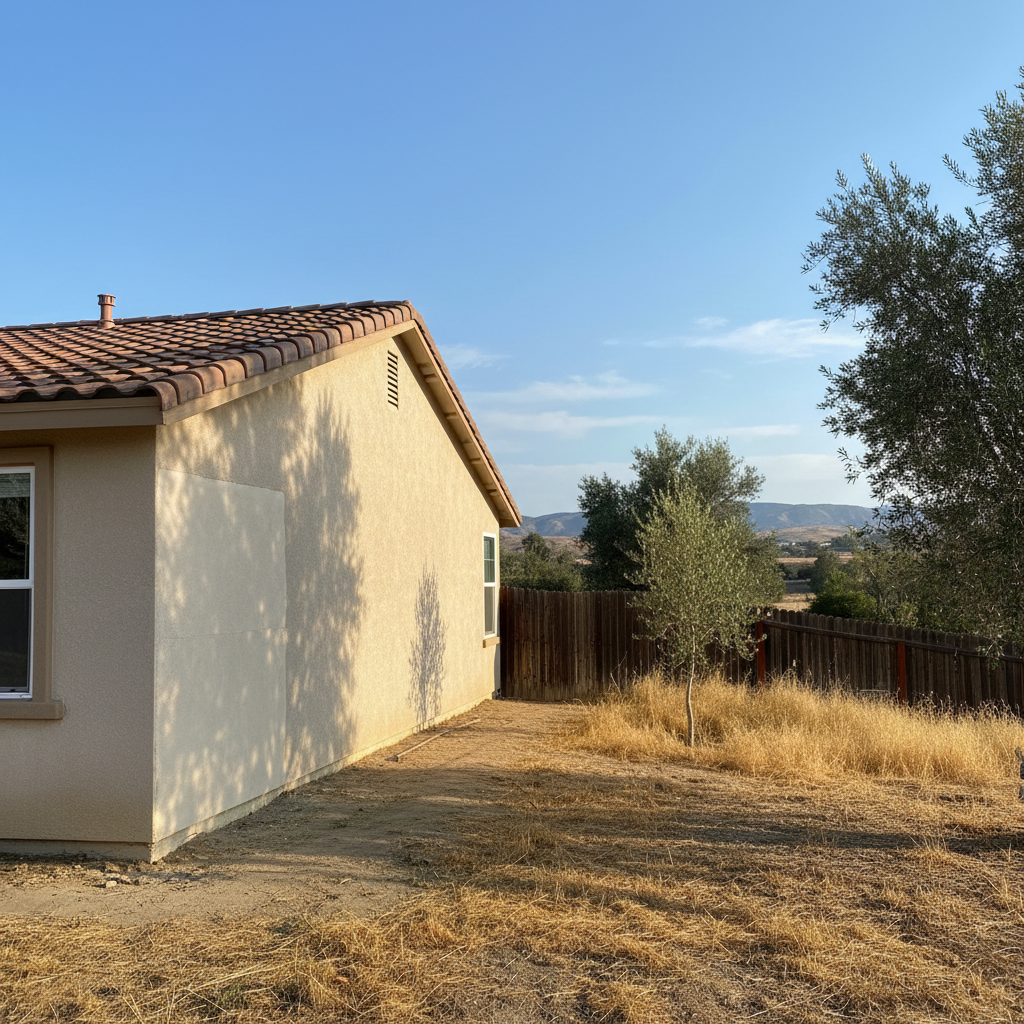
When's the Best Time for Stucco Repairs in Murrieta?
So, you've noticed a crack, a chip, or maybe some weird discoloration on your stucco, and naturally, you're wondering, "When's the best time to get this fixed?" Good question! Honestly, picking the right time can really affect how well that repair holds up over the long haul. Here in Murrieta, we don't exactly deal with brutal winters like some places, but our scorching, dry summers and those occasional wet seasons definitely play a role.
Generally, I tell folks the sweet spot for stucco repair is either spring or fall. Why then? Well, the temperatures are usually just right — mild. Stucco, especially the traditional cement-based kind, really needs time to cure properly. If it's too hot, like those 100-degree days we get in July and August, the water in the mix can just evaporate way too fast. That leads to a weaker cure, and you might see new hairline cracks pop up sooner than you'd like. On the flip side, if it's too cold, the curing process slows way down. You also risk freezing if we get an unexpected cold snap, which can damage the stucco before it's even fully set.
So, aiming for those 60-80 degree days? That's perfect. It gives the materials the best chance to bond, cure, and dry evenly. You'll end up with a stronger, more durable repair that also blends much better with your existing stucco.
How Murrieta Weather Affects Stucco Work
Our local climate really dictates a lot of what we do around here. Those hot summer days I mentioned earlier? They're tough on stucco. Not just for curing new material, mind you, but the constant expansion and contraction from those big temperature swings can actually stress existing stucco, causing cracks. That's why you often see more stucco issues surface after a particularly brutal summer.
Then there's the rain. We don't get a ton of it, sure, but when it does come, it can be heavy. You just can't do stucco work in the rain. The moisture gets into the mix, changes its consistency, and completely messes with the curing process. Plus, it just creates a sloppy mess. We always keep a close eye on the forecast. If there's a good chance of rain, we'll reschedule. It's simply not worth rushing a job only to have it fail because of the weather.
Wind is another factor. You might not think about it, but strong winds can dry out the surface of fresh stucco too quickly, much like extreme heat does. It can also blow dust and debris onto a wet surface, which is something you absolutely want to avoid. When I'm working on a house in an exposed area, say, some of those homes up on the hills near La Cresta, I'm always checking the wind forecast.
Protecting Your Stucco Investment Year-Round
You've put good money into your home, and your stucco is a big part of both its curb appeal and its protection. Keeping it in good shape isn't just about fixing problems when they pop up; it's also about prevention and consistent care.
Here's what I recommend to Murrieta homeowners:
- Keep an eye on your sprinklers: This is a huge one. I see so much stucco damage that comes from sprinklers constantly hitting the wall. That constant moisture can lead to efflorescence (you know, those white powdery stains), algae growth, and eventually, the stucco just breaks down. Adjust your sprinkler heads so they're watering your plants, not your house.
- Check your gutters and downspouts: Make sure they're clean and actually directing water away from your foundation and stucco walls. Overflowing gutters can dump a lot of water directly onto your stucco, causing damage over time.
- Trim back foliage: Bushes and trees growing right up against your house can trap moisture against the stucco, stop it from drying out, and even cause physical abrasion. Give your stucco some breathing room, okay?
- Inspect regularly: Walk around your house every few months. Look for new cracks, especially around windows and doors, or any signs of discoloration. Catching small problems early can save you a lot of money and hassle down the road.
- Consider a good quality paint or sealant: Once your stucco is properly cured and dry, a breathable, high-quality exterior paint or sealant can add an extra layer of protection against our harsh sun and occasional moisture. Think of it like sunscreen for your house.
Look, your stucco is tough, but it's not invincible. A little bit of attention to our local Murrieta conditions and some proactive maintenance can keep it looking good and protecting your home for decades. If you spot something that looks off, or you're ready to tackle those repairs, give Murrieta Stucco & Plastering a call. We're always happy to take a look and give you an honest opinion.